
RV power protection comes first
Check the Power Before It Reaches Your RV
Campground pedestals can look normal and still send the wrong problem downstream. Start with surge protection, then match the cord or adapter path that keeps the hookup clean.
Protection comes before the RV becomes the tester.
30A and 50A paths stay clear from the first click.
Cords and adapters come after the protection choice.
Plain guidance for campers who want less guesswork.
Start with your hookup, then choose the protection level.
The fastest path is simple: know whether your RV uses 30A or 50A service, pick a protection level, and keep the guide nearby if you want the full setup map.
I have a 30A RV
For travel trailers, smaller motorhomes, and common campground hookups.
I have a 50A RV
For larger rigs, fifth wheels, and coaches that need more capacity.
I am not sure yet
Identify your plug, understand protection levels, and avoid buying the wrong gear.
Surge protection belongs at the front of the setup.
The pedestal gets checked before your RV becomes the tester.
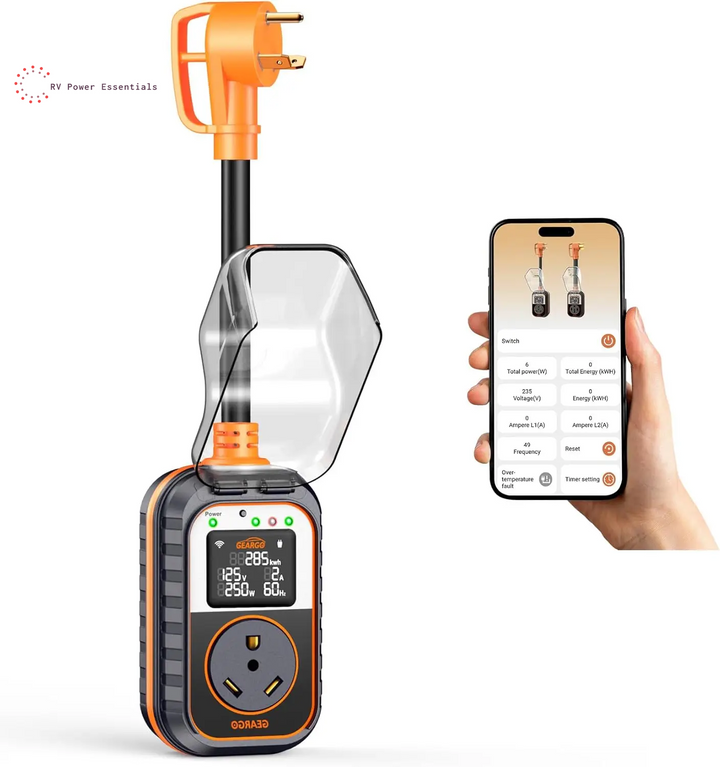
30A Smart RV Surge Protector with Bluetooth Monitoring | 15,000J
Smart monitoring for common 30A campground setups.
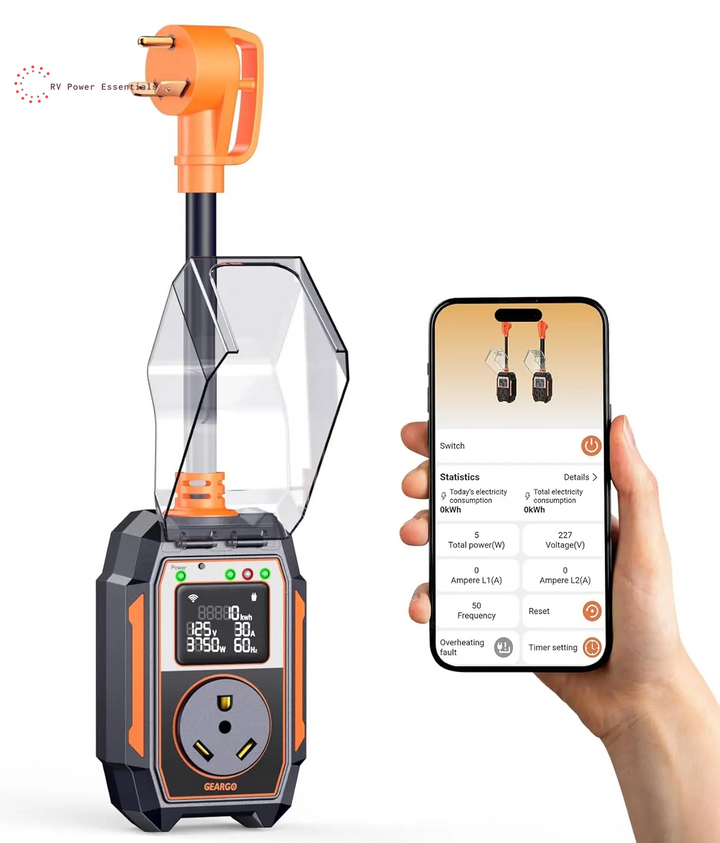
30A Smart RV Surge Protector with Bluetooth Monitoring | 28,000J
More surge capacity for campers who want the stronger 30A smart path.
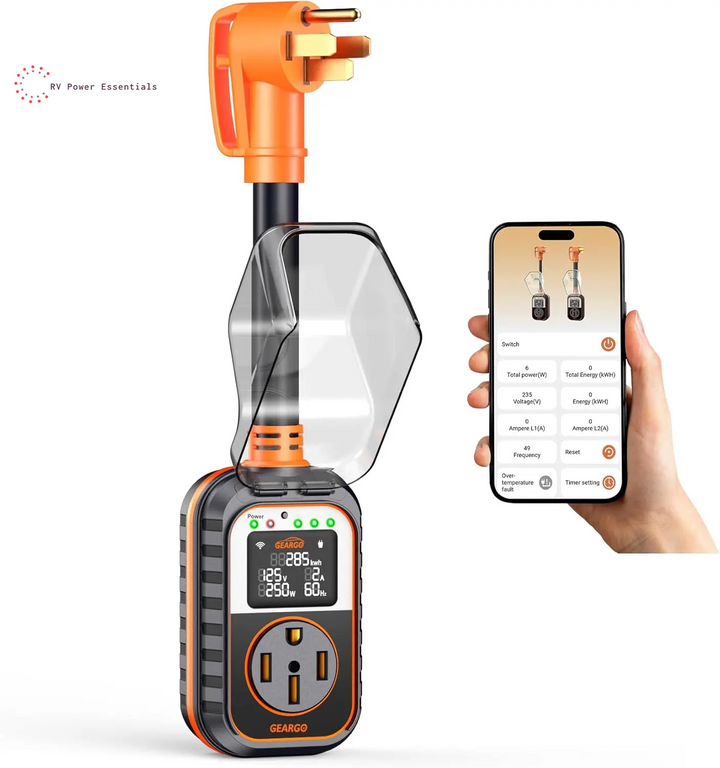
50A Smart RV Surge Protector with Bluetooth Monitoring | 18,000J
Smart protection for larger 50A rigs, fifth wheels, and coaches.
Bad pedestal power does not always announce itself first.
A surge protector is the first checkpoint between unknown campground wiring and the appliances, converters, chargers, and electronics inside the RV.
Want the full RV power map?
The guide stays in the funnel as the confidence builder without getting between the customer and the first protective purchase.
After the protector, finish the hookup.
The next sale should stay in the same moment: the cord, adapter, dogbone, or connector that makes the protected setup actually fit the campsite.
Match the cord path
Extension cords and shore-power connections that match the RV's amperage.
Shop cords and adaptersUse adapters carefully
Dogbones and converters belong behind a clear amperage choice, not in front of it.
Find the right adapterBuild a small hookup kit
Keep the protection, cord, and common connector pieces together before the next trip.
Use the setup guideKeep the setup straight before your next trip.
Get practical RV power notes, setup reminders, and protection-first buying guidance from RV Power Essentials.